
Safe brands are forgettable by design
When the new business leads dry up, the room looks everywhere except at the brand. Someone questions the pricing. Someone wants to rebuild the sales process or reopen the product roadmap. Now and then they’re right. Far more often the business is sound and the brand is the thing holding it back, because somewhere along the way it was built to be safe.
Branding is a memory game
Safe feels like the responsible choice. It clears the committee and it offends no one. It also does nothing. A buyer who feels nothing remembers nothing. More than half of B2B buying journeys end in no decision at all.
The offer wasn’t weak. The buyer simply couldn’t hold on to what was in front of them.
Or they couldn’t call it back when the moment came. The contest was never about persuasion. It was about memory. A brand built to upset nobody leaves nothing behind to remember.
Nobody decides to be forgettable.
No team sets out to build a brand no one recalls. They arrive there through process.
A brief that wants to please every stakeholder collects a clause from each. Every clause sands off an edge. What survives is smooth, agreeable and dead: a brand with no opinion, and so no pull. Blandness isn’t a failure of taste. It’s the predictable output of a room chasing approval, and approval isn’t the same as preference.
The committee gets the version it’s comfortable with. Comfortable is exactly what the market forgets.
You can see the result from across the category
.
A safe brand looks and sounds like every rival around it. The same cool colour palette. The same photography of people at screens. The same careful voice, written to trouble nobody and believed by nobody. When every company in a sector makes the same choices, the sector becomes wallpaper.
The buyer is left with one thing to compare on: price. It shows in what the brand talks about too. Safe brands talk about themselves: the platform, the process, the certifications, the methodology. None of it reaches the buyer, who didn’t arrive thinking about you. They arrived thinking about their problem. the challenge they face.
A brand brave enough to start there sounds nothing like one reciting its own capabilities.
The same goes for the belief that a logo is a brand. A mark, a palette, a font, then a wait for something to shift. So a logo is a signature. It can sign the brand’s name, but it can’t make its argument. Where the idea should sit, the safe brand leaves a tasteful gap. The buyer feels the absence even when they can’t name it.
What safe actually costs
Add it up, and safe is the most expensive decision in the building. When buyers can’t tell you apart, they grind you down on price. The discount has nothing to do with the quality of your work. When you’ve been absent through the quiet months, you’re missing from the shortlist in the buying ones.
B2B shortlists fill with names the buyer already trusted before the search began. Safe doesn’t only lose you deals to competitors. It loses them to inaction too.
The buyer looks at a field of identical options. They decide the safest move is to do nothing at all.
What a brave brand does instead
You know a brand is working by how the business behaves. Sales needs fewer slides to explain what you do. Deals move with less hand-holding. You hold your price, because the value is plain without a discount to prove it. Prospects stop asking what it is you actually do. Clients tell your story back in their own words.
The enquiries that arrive come from the right people, not just any people.
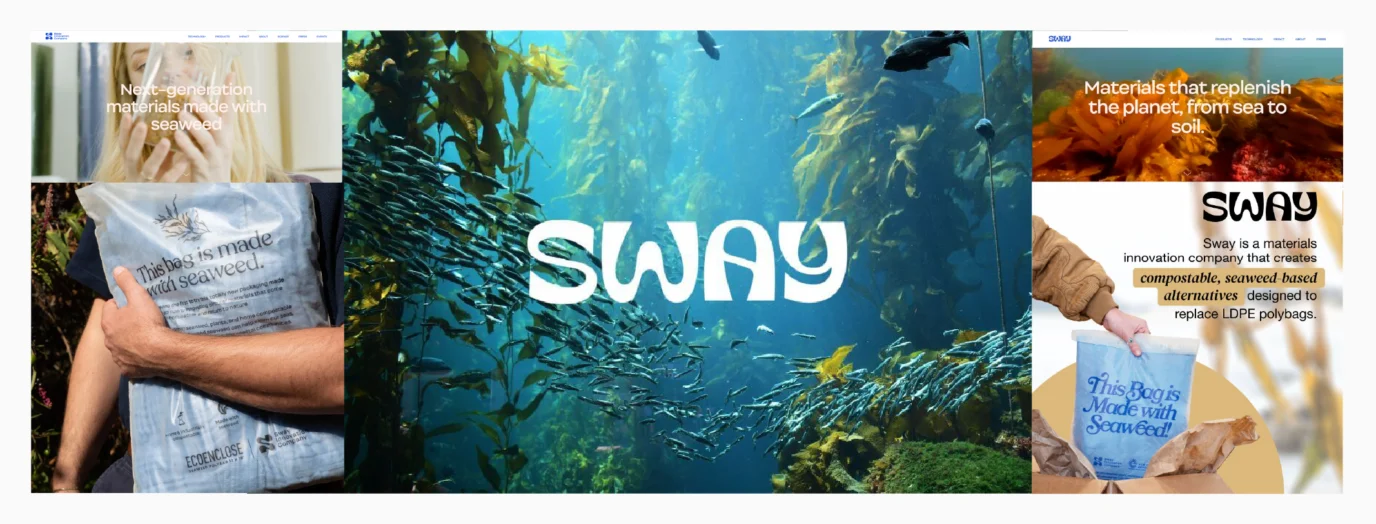
Consider Sway, an American company that makes packaging material out of seaweed. It’s hard to picture a less glamorous corner of B2B than compostable film for other people’s products. The safe move was obvious: the same leaf-green palette, the same earnest talk of sustainability, the same quiet corporate hum the whole category runs on. Sway did the opposite. It built a bold, distinctive identity and told its own story from day one. It gathered more than 130,000 followers before it had a finished product to sell
To pause on and think on that, this is a materials business with nothing yet on the shelf created real demand purely by being unmistakable, and by giving people something to believe in early. When the product arrived, the market was already waiting. No discount, no scramble for attention, no pleading for a place on the shortlist. The brand had done the selling years ahead of the sale. Sway built a market from nothing
Monday.com makes the same case at the other end of the scale. It walked into a category stacked with serious, grey enterprise tools, Microsoft Project and the rest, and chose to look nothing like them. It went bright, warm, almost cheerful about the business of work. That refusal to blend in helped carry it from a renamed startup to more than 186,000 customers, in a market where most rivals were impossible to tell apart. Monday.com took a crowded one, simply by being the only brand in it that felt like a person.
So brave doesn’t mean loud, and it doesn’t mean risk dressed up as strategy. Both brands could be bold because the thing underneath was true. Sway had a real material and a real belief. Monday.com had a real point of view about work. Each turned that truth up to full volume, instead of hiding it behind the manners of the category. That is the move: a brave brand is an honest one with the nerve to sound like itself, not a timid one shouting to be noticed.
This is the choice facing every business whose leads have stalled. You can keep sanding the edges until the brand is safe, agreeable and invisible, or you can find the true thing at the centre of the company and build everything around it. Safe design guarantees one outcome above all others: nobody notices. In a market where being forgotten loses you more deals than any rival ever will, safe is the most expensive thing you can build. Find what is genuinely yours, and say it without flinching. The pipeline starts to move.
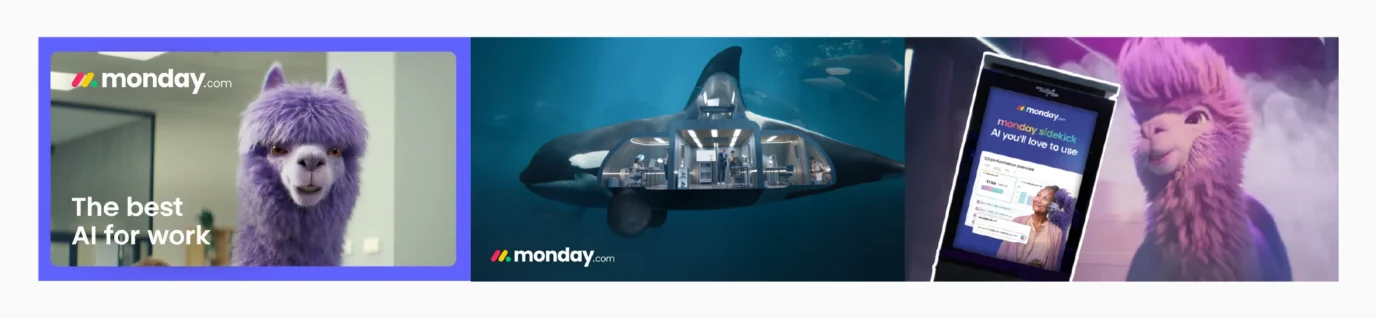
Image Credits: Brand Noir, Sway, Monday.com, Mario Gogh, Joshua Sortino, Jopwell